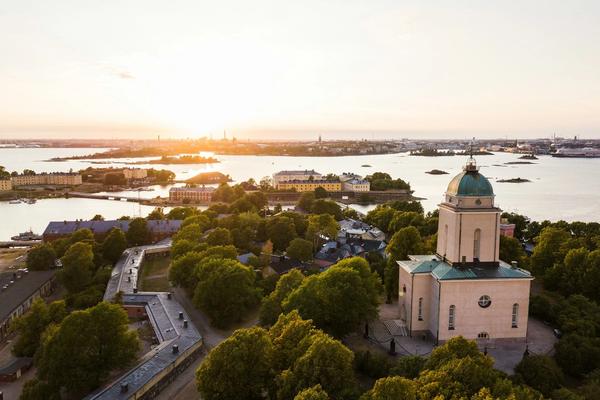

Finland is a country of remarkable space and quiet: more than 180,000 lakes, vast forests and a population concentrated mainly in the south leave much of the landscape feeling open and lightly inhabited. Helsinki brings together Baltic architecture, contemporary design, island ferries and public sauna culture in a compact capital. Beyond it, the character changes quickly — lake districts spread across the centre of the country, while northern Finland opens into Lapland, where forests thin toward fell country and seasonal light transforms the experience of travel.
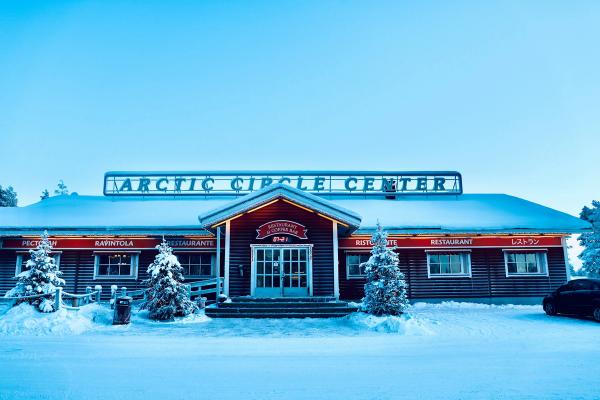
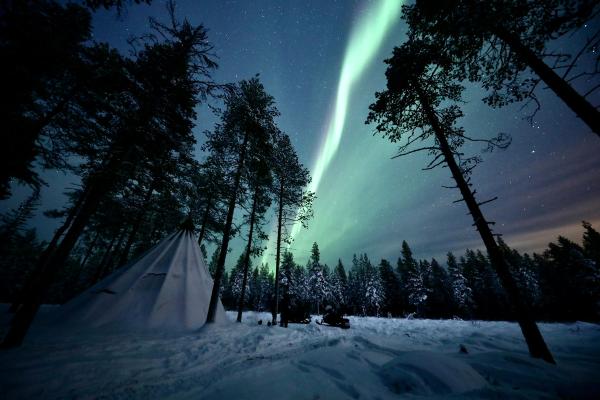
Most first journeys combine Helsinki with Finnish Lapland. Rovaniemi is the region’s main gateway and a practical base for Arctic activities, while resorts such as Levi, Saariselkä and Ruka offer husky safaris, reindeer encounters, snowmobiling, skiing and glass-roofed stays designed around aurora viewing. Summer reveals a different Finland: national parks, lakeside cottages, long hiking days and the midnight sun. Sauna is part of ordinary Finnish life rather than a tourist performance, and the classic rhythm of heat, cold water and rest is one of the clearest ways to understand the country’s relationship with nature.
Rail travel is reliable and the overnight train from Helsinki to Rovaniemi is both useful and atmospheric, although remote Lapland itineraries often require transfers or a rental car. Halal dining and mosque access are strongest in Helsinki and available to a more limited extent in cities such as Tampere, Turku and Oulu. In smaller towns and Arctic resorts, travellers should confirm meals in advance; seafood, vegetarian options and self-catering can provide practical flexibility. Visit in winter for snow and Northern Lights, or from June to August for forests, lakes and exceptionally long daylight.
Best time to visit
December to March for reliable snow and winter activities in Lapland; September to March for Northern Lights; June to August for lakes, hiking and the midnight sun.