

Follow the most visible legacy of the Silk Road through Tashkent, Bukhara and Samarkand over eight days. Travel by Afrosiyob fast train between cities and explore Bukhara’s Lyabi Khaus Ensemble, historic madrasahs and Trading Domes before continuing to Samarkand for the Imam Al-Bukhariy Mausoleum and monumental Registan Square. A day excursion to Chimgan Mountain and Charvak Lake adds natural scenery before the final exploration of Tashkent. Return Uzbekistan Airways flights, four-star accommodation, halal breakfasts, lunches and dinners, rail travel, transfers, entrances, an English-speaking guide, tour manager and tipping are included. This journey suits travellers who want Central Asia’s Islamic history, architecture and living bazaars presented as one coherent cultural route.
A Glimpse of Your Journey
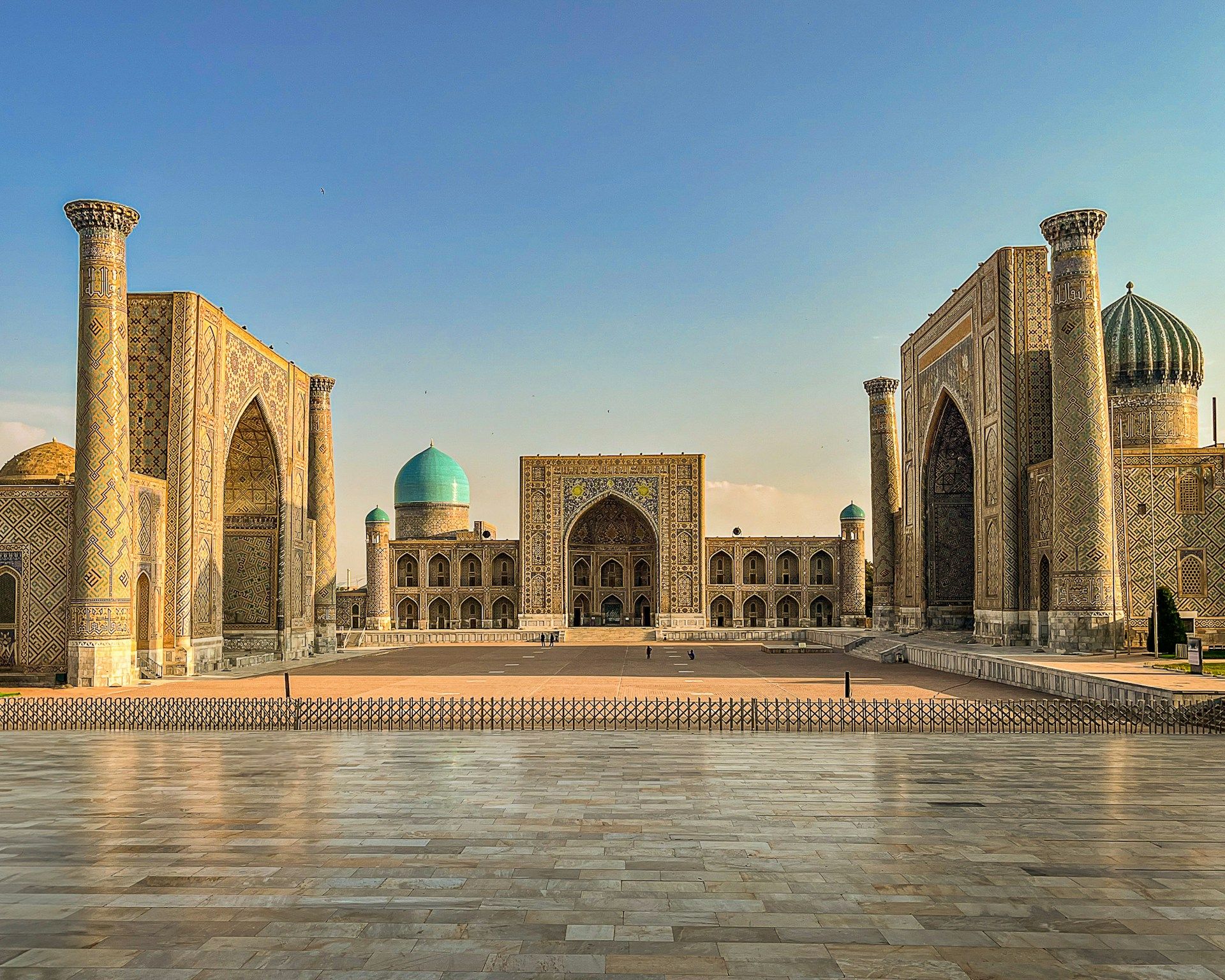
Standing in Registan Square, Samarkand
Three madrasahs. One square. Nothing prepares you for the scale of it in person.
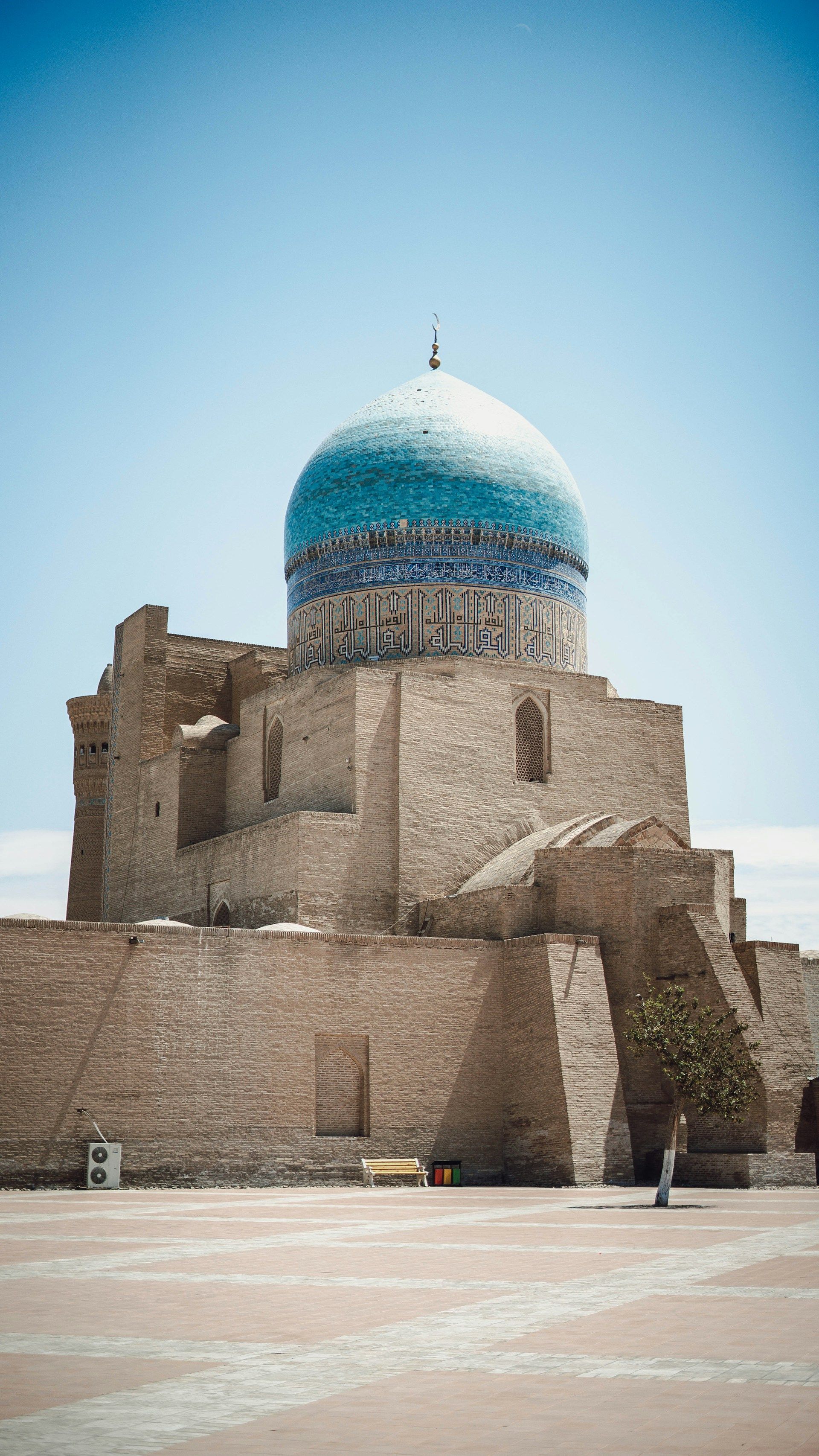
Two days in the old city of Bukhara
A medieval city still lived in. Two full days to read layers from the 4th century onwards.
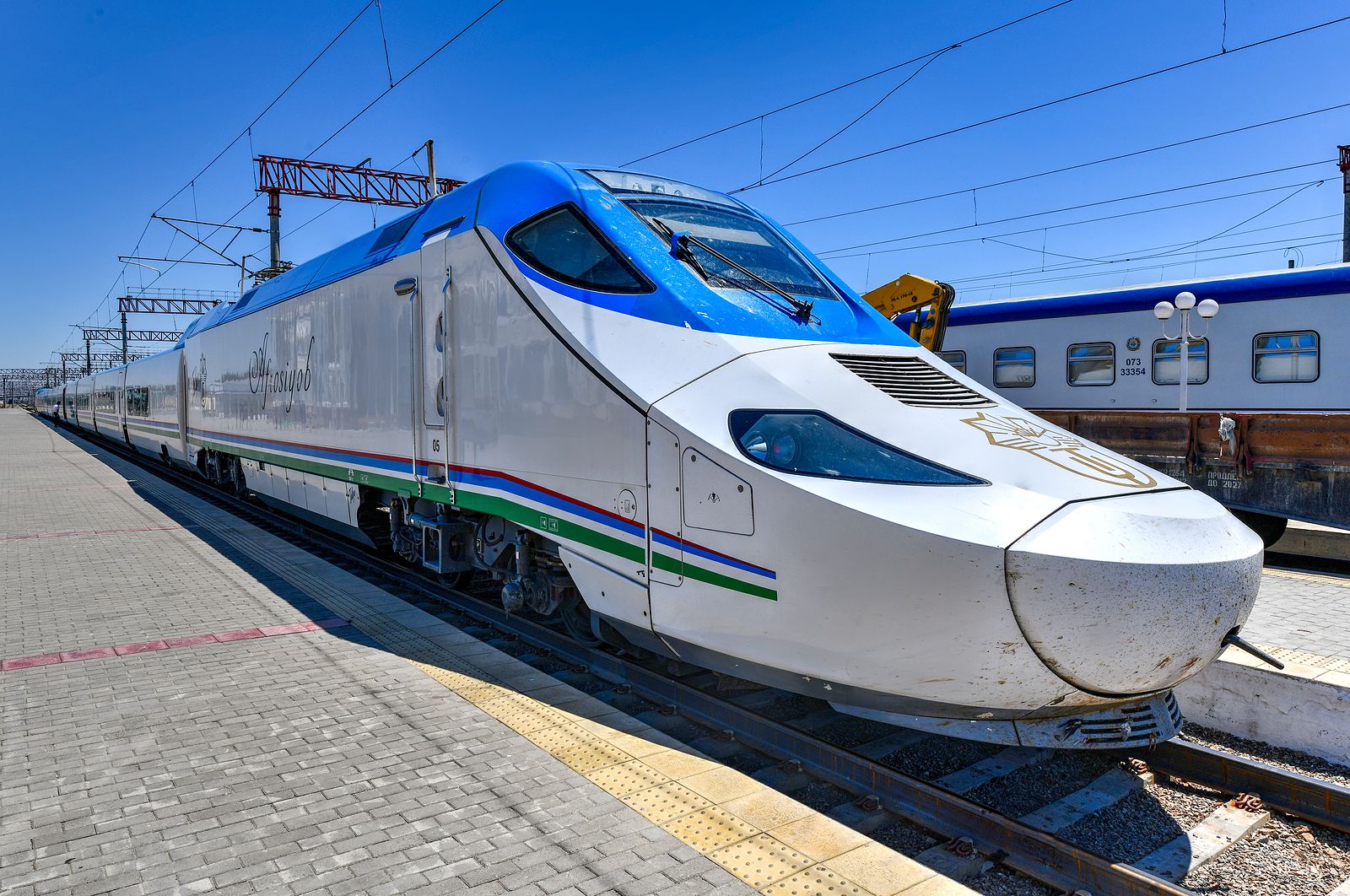
The Afrosiyob high-speed train
Crossing the Uzbek steppe at speed, city to ancient city. The journey is part of the trip.
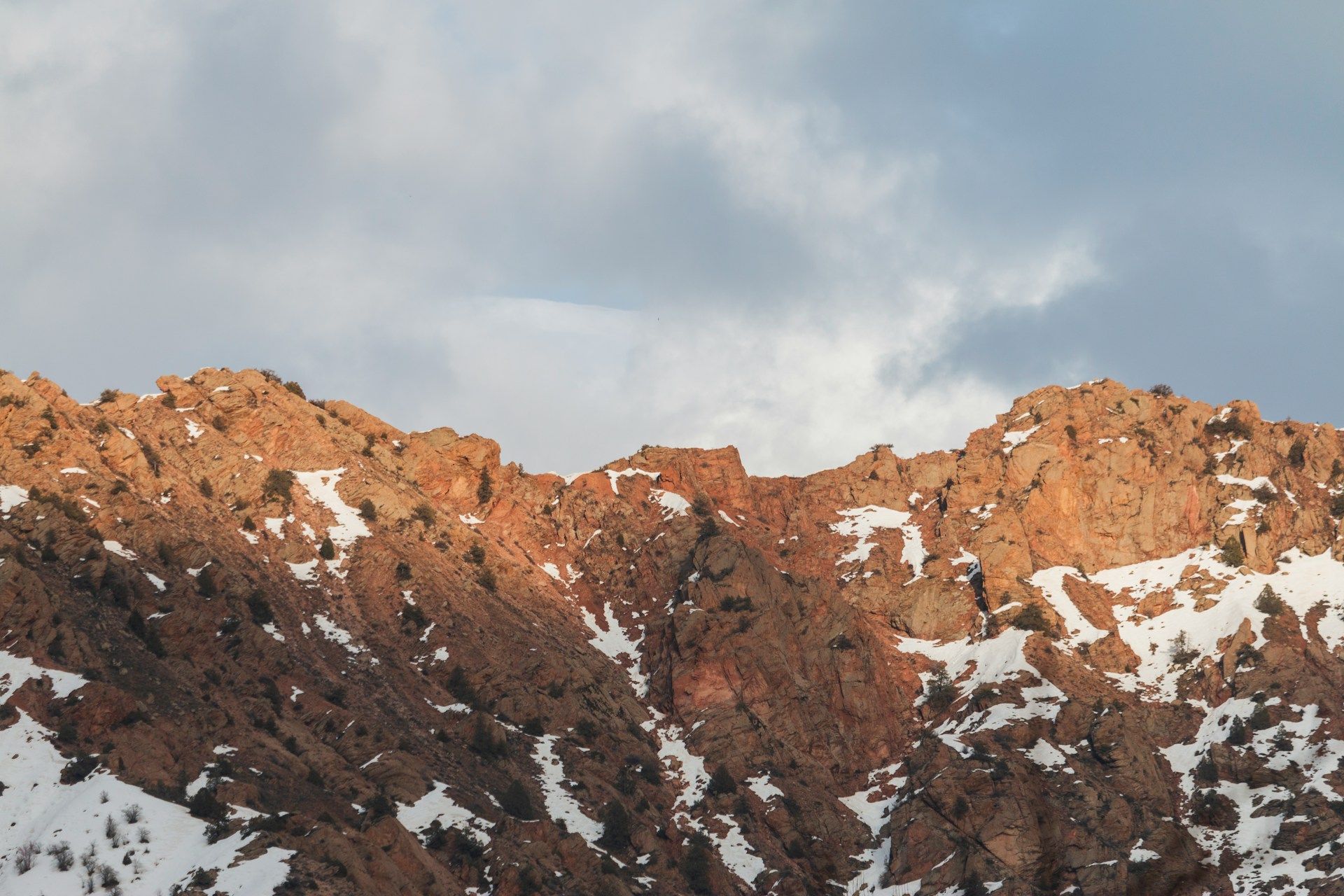
Chimgan Mountain & Charvak Lake
Chair lift to the Tian Shan peaks, then the reservoir valley below. A full day out of the cities.
- ◆Registan Square — three madrasahs, one of the world's great civic spaces
- ◆Afrosiyob fast train: Tashkent–Bukhara & Samarkand–Tashkent
- ◆Imam Al-Bukhariy Mausoleum — the great hadith scholar's resting place
- ◆Chimgan Mountain & Charvak Lake — chair lift and alpine views
- ◆Ark Citadel & Bolo Khouz Complex, Bukhara — 4th-century to present
- ◆Return flights by Uzbekistan Airways, included
Itinerary & Route
Assemble at Kuala Lumpur International Airport for the group flight to Uzbekistan. The flight is with Uzbekistan Airways, and meals are served on board. On arrival at Tashkent International Airport, your guide meets the group for a brief orientation — first impressions of the city, a welcome dinner, then transfer to the hotel. An early night makes sense: tomorrow's journey to Bukhara begins in the morning.
Tashkent city introduction — a brief orientation drive on arrival; less about sightseeing, more about calibrating to the city before the deeper exploration on Day 7.
Assemble at Kuala Lumpur International Airport for the group flight to Uzbekistan. The flight is with Uzbekistan Airways, and meals are served on board. On arrival at Tashkent International Airport, your guide meets the group for a brief orientation — first impressions of the city, a welcome dinner, then transfer to the hotel. An early night makes sense: tomorrow's journey to Bukhara begins in the morning.
Tashkent city introduction — a brief orientation drive on arrival; less about sightseeing, more about calibrating to the city before the deeper exploration on Day 7.
What's Included
- flight
Flights
Return Uzbekistan Airways economy flights with taxes, onboard meals and 30kg checked baggage
- hotel
Accommodation
6 nights in local 4★ hotels or similar
- restaurant
Meals
6 halal breakfasts, 6 lunches and 7 dinners
- airport_shuttle
Transport
Transfers as per itinerary
- tour
Guide
English-speaking guide and tour manager throughout
- local_activity
Activities
Entrance fees and sightseeing as per itinerary
- handshake
Tips
Guide and driver tipping included
Dates & Prices
Frequently Asked Questions

Silk Road Uzbekistan: Tashkent, Bukhara & Samarkand
Follow the most visible legacy of the Silk Road through Tashkent, Bukhara and Samarkand over eight days. Travel by Afrosiyob fast train between cities and explore Bukhara’s Lyabi Khaus Ensemble, historic madrasahs and Trading Domes before continuing to Samarkand for the Imam Al-Bukhariy Mausoleum and monumental Registan Square. A day excursion to Chimgan Mountain and Charvak Lake adds natural scenery before the final exploration of Tashkent. Return Uzbekistan Airways flights, four-star accommodation, halal breakfasts, lunches and dinners, rail travel, transfers, entrances, an English-speaking guide, tour manager and tipping are included. This journey suits travellers who want Central Asia’s Islamic history, architecture and living bazaars presented as one coherent cultural route.
Assemble at Kuala Lumpur International Airport for the group flight to Uzbekistan. The flight is with Uzbekistan Airways, and meals are served on board. On arrival at Tashkent International Airport, your guide meets the group for a brief orientation — first impressions of the city, a welcome dinner, then transfer to the hotel. An early night makes sense: tomorrow's journey to Bukhara begins in the morning.
Tashkent city introduction — a brief orientation drive on arrival; less about sightseeing, more about calibrating to the city before the deeper exploration on Day 7.
An early departure by the Afrosiyob high-speed train — hotel box breakfast in hand. The journey covers 572 km and is faster and more comfortable than the coach alternative. Bukhara is one of the best-preserved ancient cities in Central Asia, and the afternoon goes straight into the old city. You'll notice immediately that this isn't a reconstructed heritage district — people live and trade here, and the buildings are genuinely medieval.
Lyabi Khaus Ensemble — a 16th-century complex of pool, khanaka and madrasah; the only ensemble in Bukhara where all three monumental buildings face each other across a single courtyard.
Trading Domes — a series of 16th-century covered bazaars connecting Lyabi Khaus to Miri Arab Madrasah; the route through them is the same one merchants used along the Silk Road.
A full day in Bukhara, which is exactly the right amount of time. The sites here span fifteen centuries of continuous occupation, and the guide's job is to help you read the layers rather than just move between them. The Ark Citadel predates Islam in Bukhara by several centuries; the Ismail Samani Mausoleum represents one of the earliest surviving examples of fired-brick Islamic architecture anywhere in the world. Expect a full morning on foot.
Ismail Samani Mausoleum — built at the close of the 9th century and one of the finest examples of early Islamic architecture in Central Asia; the brickwork pattern changes depending on the angle of light.
Bolo Khouz Complex — the only surviving monument on the original Registan Square, comprising a mosque, minaret and reservoir; less visited than the Ark, and more atmospheric for it.
Ark Citadel (exterior) — Bukhara's oldest structure, dating to the 4th century and rebuilt repeatedly by successive dynasties; the view from the entrance rampart puts the entire old city in context.
After checkout, the coach heads 273 km northeast to Samarkand — a city as old as Babylon and Rome, and the former capital of Timur's empire at its height. The afternoon arrives at two sites that make the journey immediately worthwhile: the Imam Al-Bukhariy Mausoleum, the resting place of one of Islam's most important scholars, draws pilgrims from across the Muslim world. The Gur-e-Amir Mausoleum, Timur's own tomb, is quieter — and more intimate — than its significance might suggest.
Imam Al-Bukhariy Mausoleum — the burial complex of Imam Muhammad al-Bukhari, compiler of the most authoritative collection of hadith in Sunni Islam; the complex was reconstructed in the 1990s but the site's significance predates it by over a millennium.
Gur-e-Amir Mausoleum — the burial place of Amir Timur and members of his dynasty; the ribbed azure dome has influenced Central Asian architecture for six centuries.
The morning belongs to Samarkand's greatest monuments. Registan Square — three madrasahs facing each other across a vast ceremonial plaza — is the defining image of Timurid architecture and, for many travellers, the defining moment of the trip. Bibi Khanum Mosque, once the largest in the Muslim world, and Shakhi Zinda Necropolis round out the morning. There's time for the Siyob Bazaar before the afternoon Afrosiyob train returns the group to Tashkent.
Registan Square (exterior) — the Ulugbek, Sher Dor and Tillya Kori madrasahs form a composition that took 250 years to complete; standing in the centre of the square is the correct way to understand the scale.
Shakhi Zinda Necropolis — a sacred processional avenue of mausoleums in continuous use since the 11th century; the tilework here is finer than at Registan and far less photographed.
Siyob Bazaar — Central Asia's largest dried-fruit market; a good place to stock up before the train.
80 km from Tashkent, the Tian Shan foothills offer a complete change of scale. Chimgan Mountain is a popular escape for locals, and the chair lift to the summit rewards the ride with a wide panorama over the Charvak reservoir and the ranges behind it. Charvak Lake — a large reservoir created by a Soviet-era dam — sits in a valley ringed by peaks and is visually striking even from the road. The group returns to Tashkent city for dinner, then back to the hotel.
Chimgan Mountain chair lift — the ascent takes about 15 minutes each way and the view at the top justifies the trip; dress in layers, the temperature at altitude is noticeably cooler than the city.
Charvak Lake — a photo stop at the reservoir before the drive back; the landscape here is genuinely different from anything else on the itinerary.
The final full day gives Tashkent its proper attention. The Hazret Imam Ensemble is the spiritual centre of Uzbekistan's Muslim heritage — the Khast Imam library holds one of the world's oldest Quranic manuscripts. Chorsu Bazaar is a functioning wholesale market in a Soviet-era domed complex; it's where the city actually shops. The Tashkent Metro stations are worth the stop for their Soviet-era mosaic and marble interiors. Dinner is the group farewell before the airport transfer.
Hazret Imam Ensemble — the oldest manuscript of the Quran in Uzbekistan is housed here; the ensemble is the country's principal Muslim heritage site and is treated as such.
Chorsu Bazaar — a wholesale oriental bazaar under a large Soviet dome; more practical than picturesque, which is exactly what makes it worth an hour.
Tashkent Metro station — the underground platforms are decorated with Soviet-era mosaics, chandelier lighting and marble; a photo stop that genuinely earns its place on the itinerary.
Arrival in Kuala Lumpur. Meals are served on board the return flight. The Silk Road was, for most of human history, the route along which ideas, goods and faiths moved between East and West — and Uzbekistan is where more of it survives than anywhere else. You'll come back understanding why.
What's Included
- ✓Return economy class group ticket by Uzbekistan Airways
- ✓Airport tax, check-in baggage 1 piece max 30 kg, economy class seat and meals on board
- ✓6 nights accommodation at local 4-star hotel or similar class
- ✓6 halal breakfasts in hotel, 6 lunches and 7 dinners in hotel or local restaurant
- ✓Transfer, entrance fees and sightseeing as per itinerary
- ✓Escorted English-speaking guide throughout the trip
- ✓Tipping for guide and driver
- ✓Services of tour manager to ensure smooth operation
- –Travel insurance
- –Personal expenses — minibar, laundry, telephone bills, etc.
- –Porterage fee
- –Others not stated in the itinerary
