
Oslo occupies a singular place among European capitals — a city where dense forest meets open fjord, where sleek modernist architecture rises beside medieval fortresses, and where a population of just over 700,000 manages to sustain one of the world’s most dynamic cultural scenes. Straddling the head of the Oslofjord and ringed by forested hills known as the Marka, the Norwegian capital wears its natural setting as a point of civic pride, and that relationship between city and wilderness shapes almost every aspect of life here.
No visit to Oslo is complete without time spent at the Viking Ship Museum on the Bygdøy peninsula, where three remarkably preserved ninth-century longships — the Oseberg, the Gokstad, and the Tune — sit in hushed, cathedral-like halls. These vessels, buried as funeral ships for Norse chieftains, are among the finest artefacts of the Viking Age anywhere in the world, and standing beside them is a genuinely humbling experience. Nearby, the Norwegian Folk Museum gathers more than 150 historic buildings from across the country onto a single open-air site, offering a vivid portrait of rural and urban Norwegian life across the centuries.
Vigeland Sculpture Park, set within the vast green expanse of Frogner Park, is one of the most visited attractions in Norway — and rightly so. The life’s work of sculptor Gustav Vigeland, the park contains more than 200 bronze, granite, and wrought-iron sculptures arranged along a ceremonial axis, all exploring the full arc of human experience from birth to death. The centrepiece Monolith, a writhing column of 121 intertwined human figures carved from a single block of granite, is as arresting today as it was when it was unveiled in 1944. The park is free, open year-round, and never loses its power to surprise.
The Aker Brygge waterfront district, once a working shipyard, has been transformed into Oslo’s most animated public space — a promenade of restaurants, bars, galleries, and boutiques that hums with life from early morning until late at night. From here, ferries depart regularly for the islands of the inner Oslofjord: Hovedøya, Gressholmen, and Langøyene among them, each offering swimming beaches, hiking trails, and the kind of unhurried island atmosphere that feels worlds away from the city centre despite being just minutes by boat. In summer, the fjord becomes Oslo’s communal backyard, with kayakers, paddleboarders, and open-water swimmers sharing the water with commuter ferries.
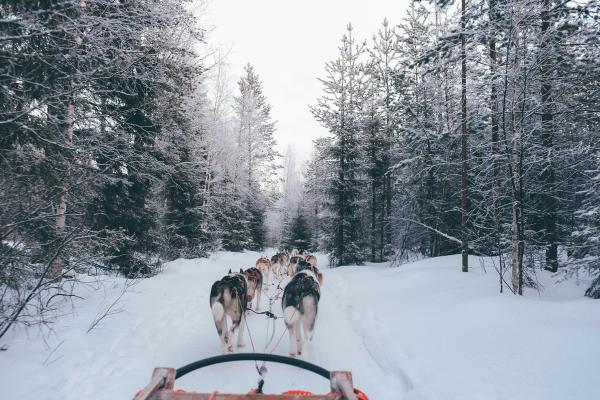
Perched on a forested ridge above the city, the Holmenkollen ski jump is both a working competition venue and an icon of Norwegian identity. The current structure, rebuilt for the 2011 World Championships, offers a glass-floored viewing platform at the top of the jump tower with panoramic views over Oslo and the fjord — an experience that is equal parts vertiginous and spectacular. In winter, the surrounding Nordmarka forest becomes a vast network of groomed cross-country ski trails, and Oslonians of all ages take to them with an ease and enthusiasm that underlines just how deeply skiing is woven into the national character.
Oslo’s food scene has undergone a quiet revolution over the past two decades, driven by the same New Nordic philosophy that put Copenhagen on the global culinary map. A cluster of Michelin-starred restaurants — among them Maaemo, which holds three stars — have brought international attention to Norwegian ingredients: wild herbs, cured meats, freshwater fish, and foraged produce treated with extraordinary precision and creativity. For a more democratic introduction to the city’s larder, Mathallen Oslo, a covered food hall in the Vulkan neighbourhood, brings together artisan producers, fishmongers, cheesemongers, and street-food vendors under one roof. And for the simplest pleasure of all, a paper cone of fresh shrimp bought from one of the boats moored at Aker Brygge and eaten on the quayside with a cold beer remains one of the great Oslo experiences.
What makes Oslo genuinely compelling is the ease with which it holds all of these things together — the ancient and the contemporary, the urban and the wild, the intimate and the grand. It is a city that asks very little of its visitors in the way of effort and returns a great deal in the way of reward: clean air, extraordinary light, a deep civic calm, and the persistent, exhilarating sense that the fjord and the forest are never more than a few minutes away.
Best time to visit
Summer (June–August) offers long, sun-drenched days perfect for fjord kayaking, island hopping, and outdoor festivals. Autumn (September–October) brings golden foliage and quieter streets, while spring (March–May) sees parks bloom with mild, refreshing weather. Winter (November–February) is prime season for skiing at Holmenkollen, cosy Christmas markets, and the best chance of witnessing the Northern Lights in and around Oslo.